Spring in Mid Wales
Spring arrives in Mid Wales gradually and then all at once. One week the hills are still brown and the wind carries rain sideways across the Cambrian Mountains. The next, the hedgerows are filling out, lambs are in every field across Powys, Ceredigion and Meirionnydd, and the light shifts to something softer that makes you want to get outside and stay there.
Bluebell walks
Mid Wales has some of the finest bluebell woods in the country and they peak from late April into May. The ancient oak woodlands around Dolgellau and the Mawddach are reliable spots. Coed Ganllwyd and the woods along the Mawddach Trail turn blue for a few weeks each spring. In Radnorshire, the lanes around Knighton and Presteigne lead through bluebell woods that few people visit, which is part of their appeal. Near Rhayader, the Gilfach Nature Reserve has wildflower meadows and oak woodland where bluebells grow alongside a restored longhouse and red kite feeding area.
Lambing season
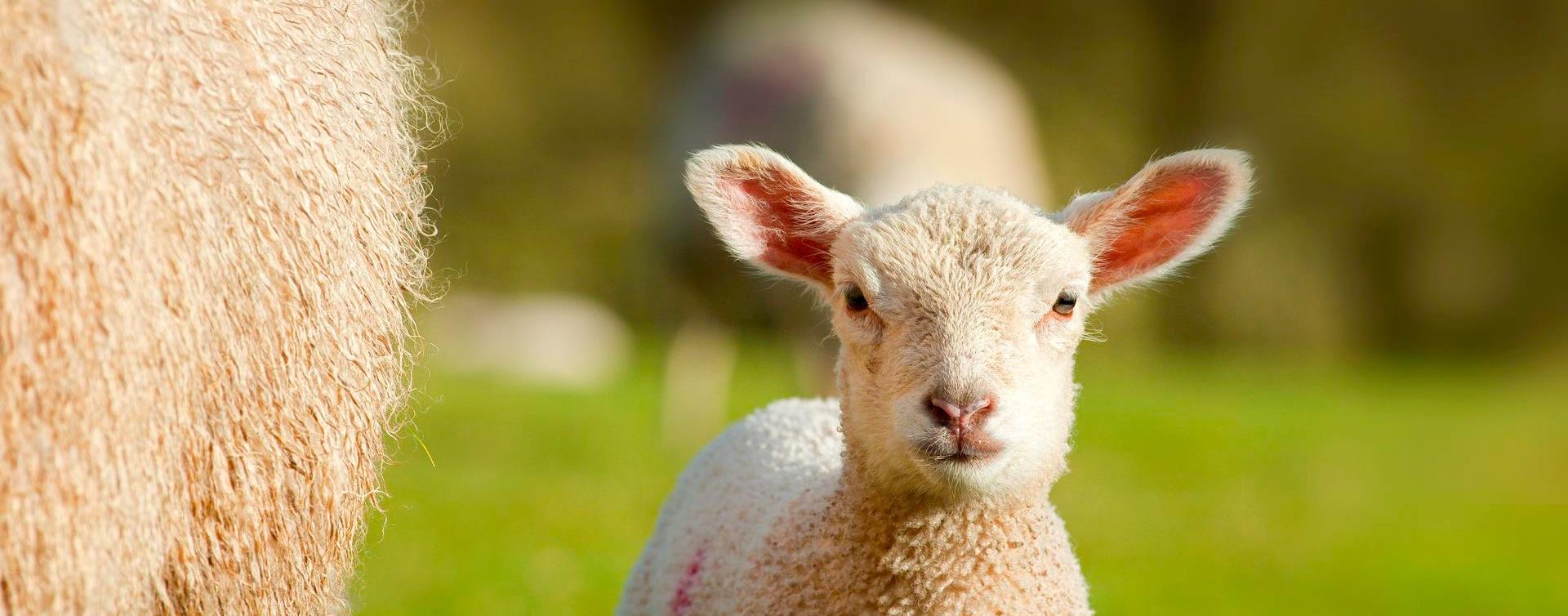
Lambing is the sound of spring in Mid Wales. From late February through April, the fields across Powys, Ceredigion and Southern Snowdonia fill with newborn lambs, and the bleating carries for miles on still mornings. Several farms welcome visitors during lambing. Farm stays let you get close to the action, with children bottle-feeding orphan lambs in the barn and walking the fields at dusk. Treberfedd Farm near Lampeter and farms across the Tywi and Irfon valleys are good places to start looking.
Gardens opening for spring
Spring is when Mid Wales gardens come into their own. Powis Castle and Garden above Welshpool opens its Italianate terraces, where tulips and early perennials fill the borders from March. The 30-foot yew hedges and herbaceous borders are among the best planted in Wales. Craig-y-Nos Country Park in the upper Swansea Valley has riverside walks and meadows that are green and quiet from early spring. Cae Hir Gardens near Lampeter, a six-acre garden built by one person over decades, is worth a slow visit when the bluebells arrive.
Coastal walks along Ceredigion
The Ceredigion Coast Path between Cardigan and Ynyslas is at its best in spring. Wildflowers line the cliff edges, the sea turns from grey to something approaching blue, and the bottlenose dolphins in Cardigan Bay become more active as the water warms. The section between New Quay and Llangrannog is hard to beat for coastal walking, with coves, headlands and villages where you can stop for lunch without booking ahead.
Waterfalls and forests
Devil's Bridge Falls, twelve miles inland from Aberystwyth, drops 91 metres through a wooded gorge with five major cascades. The nature trail takes about 45 minutes and is steeper than it looks, but the spray and the noise at the bottom make it worth the effort. Nearby, Bwlch Nant yr Arian has waymarked trails through forest with views to Cardigan Bay, and the daily red kite feeding draws dozens of birds circling overhead each afternoon. The Hafren Forest above Llanidloes follows the infant River Severn through cascades and woodland that are quiet even at weekends.
Villages and market towns
Portmeirion, the Italianate village on the Meirionnydd coast, opens its gardens in spring and the subtropical planting looks its best from April. Inland, the market towns of Mid Wales come alive as the weather improves. Machynlleth's Wednesday market, Llanidloes's independent shops, and Aberystwyth's seafront cafes all pick up as spring settles in. The towns along the Cambrian Line railway, from Aberystwyth through Machynlleth to Welshpool, are well connected and each has its own character.
Plan your spring break
Spring in Mid Wales runs from early March to late May, and each month brings something different. March has St David's Day celebrations and the first lambs. April brings Easter, longer days and the gardens opening. May is bluebell season, warm enough for the coast, and the best month for walking before the summer visitors arrive. Accommodation is usually available outside bank holiday weekends, but book ahead if you want a specific cottage or B&B.
Looking ahead to summer?
If you are planning a summer visit to Mid Wales, head over to our summer holidays page for beaches, festivals, outdoor adventures and family days out across Powys, Ceredigion and Southern Eryri.





 to add an item to your Itinerary basket.